









At John Dewey High School, summer is no longer just a break from academics—it’s an opportunity. From enrichment courses to hands-on learning experiences, the school’s summer programs offer students a chance to explore new interests, strengthen skills, and get ahead before the next school year begins.
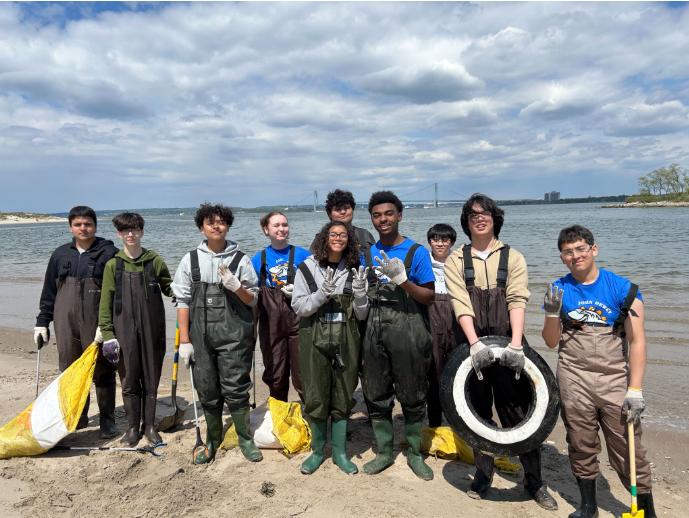
This summer, John Dewey High School students are finding opportunities both inside and outside of the classroom. While some are focusing on improving grades and being ready for the next school year, the others are gaining real-world experience through internships, summer jobs, and volunteer work. Together, these experiences show how students are using their summer not only to rest, but also to build skills, explore interests, and prepare for their futures.
“Determine what is the most important for your summer [like earn money, get experience, maybe both, etc],” said Mr. Limbach, Work-based learning coordinator and a teacher in a business academy.
Mr. Limbach explained that summer programs outside of the school can help students develop next skills for their future. According to him, students often improve their skills like time management, communication, teamwork, and problem-solving skills while participating in different summer activities. He also added that these experiences help students become more independent and prepare for their future careers.
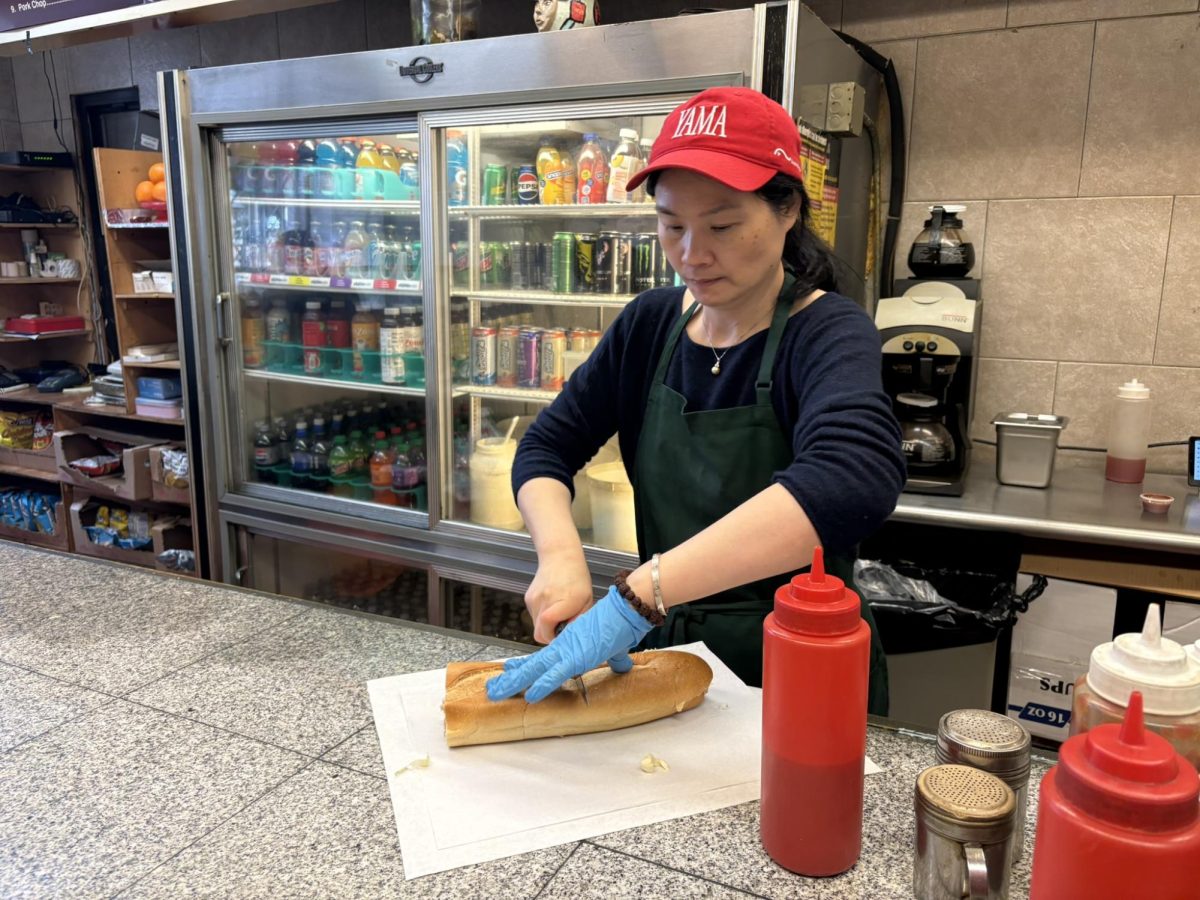
Programs like SYEP (Summer Youth Employment Program) are especially popular among teenagers because they provide both experience and opportunity to earn money. Students usually give positive feedback about these programs because they help them to build their resumes, make friends, and gain good experiences. “If students want to work during summer, they have to be open-minded,” he said. “It’s only work experience, not a long life career.”
Senior Emily Guo shared her experience participating in a hospital program during the summer. Although she did not attend summer school at John Dewey High School, she said the ISP (Industry Scholars Program) gave her the chance to connect with people her age while working.
“What surprised me the most was how much work and responsibility it required,” Guo said. She explained that the program helped her become more open-minded and more willing to help others. She also learned the importance of speaking up for yourself. “If you don’t speak up for yourself, nobody else will,” she said.
Even though summer school can sometimes be stressful and demanding, they are still valuable because they give students experience outside of the classroom. Mr. Limbach said students who are unsure about joining a summer program or applying for a summer job should think carefully about the benefits and challenges before deciding. “Not taking a summer job is not the end of the world,” Guo said. “It just gives experience.”
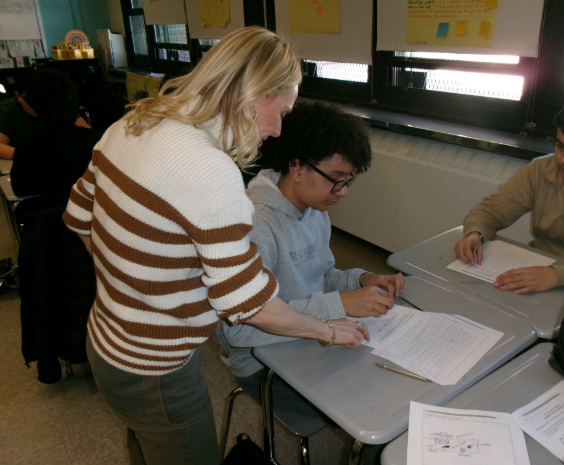
While some students spend their summer working outside of school, others stay connected to academics through John Dewey High School’s summer programs. According to Mrs. Neff, ENL Guidance Counselor, the school offers several free summer opportunities for students, including personal and virtual school, Title III ENL programs, and summer bridge programs for incoming freshmen.
Mrs. Neff explained that each program is designed to help students in different ways. The Title III program focuses mainly on improving language skills for ENL students, while the summer bridge program helps incoming ninth graders become familiar with the school before September. Summer school also gives students the chance to improve grades and stay on track for the next school year.
“Summer school is a great opportunity to use the time you have, to improve your resume and summary, or stay on track,” Mrs. Neff said. She added that these programs are important because they help students continue learning during the summer while also providing free breakfast and lunch at school.
Mrs. Neff believes that students like summer school because “it allows them to make up classes, keep in touch with their friends, and stay on top of their school work.” As well as that, she explained that usually summer-program classes are about 25 students each, and students are grouped by their counselors based on their needs.
Senior Janelle Reyes attended summer school during her both sophomore and junior years. Unlike regular school year classes, Reyes said her favorite part of summer school was that it was online. “You don’t have to wake up early,” Reyes said. She also included that the program is easier than she expected. “I thought it would be more difficult,” she said. “You just have to do around 50 hours for the whole summer school.”
Even though summer school is not difficult to finish, it is still stressful because if it’s online, students spend a lot of time on their computer, and if they attend it in-person, students have to wake up earlier than they would like during summer. But even with that, Janelle Reyes believes that it teaches responsibility and gives motivation. “It made me realize I need to be more responsible,” she said. Deadlines help students to stay motivated to complete assignments on time and stay focused throughout the summer.
Reyes said summer school takes away some of students’ free time, but still believes that it gives students an important second chance to complete classes and move forward to the next school year. She encouraged students who are unsure about joining summer school to speak with their counselors and explore their options. “Stay motivated, submit work on time, study, ask questions, and try to take AP or college classes,” she said.
Whether students are earning money through summer jobs, improving grades in summer school, or preparing for the future through different programs, John Dewey High School students prove that summer can be more than just a vacation. Through these opportunities, many students are learning responsibility, gaining experience, and taking important steps toward their future goals before the next school year even begins.